2026-10-12 · Robert "Bob" Johnson
4. Flat Roof Maintenance for Texas Property Managers: Preventing Heavy Rain Leaks
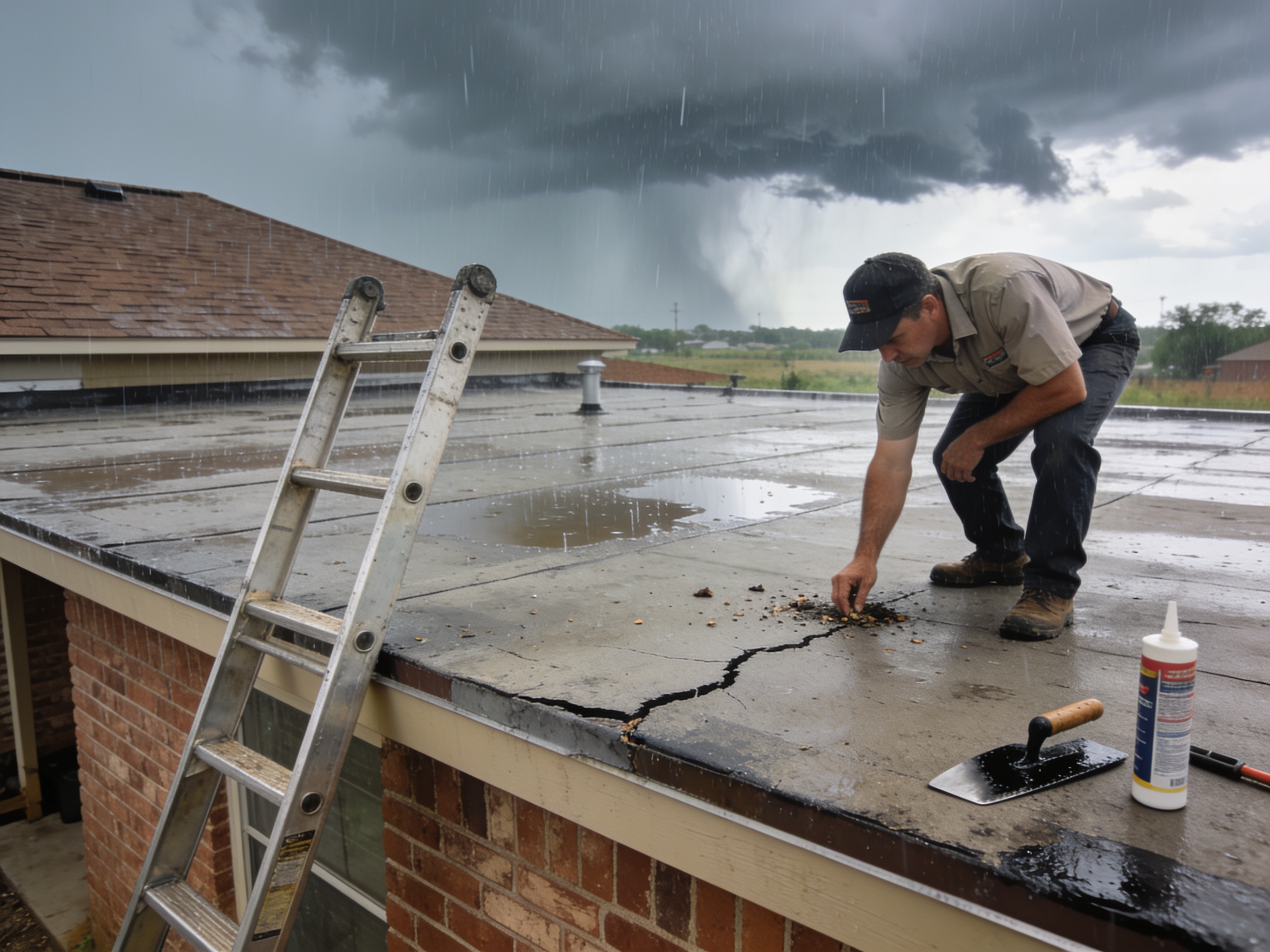
Preventing heavy rain leaks on flat roofs in Alvin, TX, requires a comprehensive and proactive maintenance strategy that addresses the specific vulnerabilities of these roofing systems. Property managers should focus on three primary areas: ensuring optimal drainage, maintaining the integrity of the roofing membrane, and conducting regular, detailed inspections. The Gulf Coast climate, with its intense, sudden downpours and high humidity, places significant stress on flat roofs, making diligent upkeep not just advisable, but essential to protect your investment and avoid expensive interior damage. Ignoring these aspects can lead to issues like ponding water, accelerated material degradation, and ultimately, system failure during a severe storm.
Understanding Flat Roof Vulnerabilities in Alvin, TX
Flat roofs, common on many commercial and multi-family properties throughout Alvin and the broader Brazoria County area, are inherently different from sloped roofs. Their low pitch means water doesn't shed as quickly, increasing the risk of ponding. This standing water, especially after the heavy, tropical-like downpours we experience here, can exploit even the smallest imperfections in the roofing membrane. Over time, UV radiation from the intense Texas sun, combined with thermal expansion and contraction, can cause the membrane to crack, blister, or separate at seams. These vulnerabilities are precisely where leaks originate, often leading to significant water intrusion that can damage insulation, structural components, and interior finishes.
Furthermore, debris accumulation is a constant battle in our region. Leaves, branches, and even wind-blown trash from nearby commercial areas can clog drains and gutters, exacerbating ponding issues. The flat roofs on older commercial buildings or apartment complexes in areas like the historic downtown district of Alvin, for instance, might also feature older roofing materials such as modified bitumen or built-up roofing (BUR) that are more susceptible to age-related wear and tear compared to newer TPO or EPDM systems. Understanding these specific challenges is the first step toward effective leak prevention.
Critical Drainage System Maintenance
Effective drainage is paramount for flat roofs, particularly in an area like Alvin, TX, which receives substantial rainfall. Clogged drains are the number one cause of ponding water, which can quickly lead to leaks. Property managers should establish a routine schedule for cleaning all roof drains, scuppers, and gutters. This isn't just a once-a-year task; after every significant storm or strong wind event that might deposit leaves or debris, a visual check is crucial. We often see drains completely blocked by accumulated leaves, dirt, and even bird nests, especially on properties surrounded by mature trees in neighborhoods like those near the Alvin Community College campus.
Beyond simple cleaning, inspect the drains themselves for damage or blockages within the pipes. Ensure scupper boxes are free of obstructions and that their flashing is intact. Any signs of standing water on the roof more than 48 hours after a rain event indicate a drainage problem that needs immediate attention. This ponding water not only stresses the roofing membrane but also adds significant weight to the roof structure. Addressing these drainage issues proactively can save thousands in potential leak repairs and extend the life of your roof. Consider a professional inspection if you notice consistent ponding, as it might indicate structural issues or improper roof slope.
Maintaining Roofing Membrane Integrity
The roofing membrane is your primary barrier against water intrusion, and its integrity is non-negotiable. Regular inspections should focus on identifying any signs of wear, damage, or degradation. Look for cracks, blisters, punctures, tears, or separations at seams. These are common failure points on flat roofs, particularly on older systems or those exposed to high foot traffic. In Alvin, the intense UV radiation and temperature fluctuations contribute significantly to membrane fatigue over time. Pay close attention to areas around penetrations like HVAC units, skylights, and vents, as these are frequent sources of leaks due to flashing failures.
For TPO or EPDM roofs, inspect seams for any signs of lifting or adhesive failure. On modified bitumen roofs, look for alligatoring or exposed felts. Small repairs, such as patching minor punctures or re-sealing compromised seams, can often be done quickly and cost-effectively, preventing them from escalating into major leaks. However, it's crucial that these repairs are performed by experienced professionals to ensure they are done correctly and blend seamlessly with the existing system, maintaining the roof's overall waterproofing. Addressing these issues promptly is vital to prevent water from penetrating the underlying layers and causing extensive damage.
Regular Inspections and Professional Assessments
A consistent schedule of inspections is the backbone of effective flat roof maintenance. Property managers in Alvin, TX, should conduct visual inspections of their flat roofs at least twice a year – typically in the spring before the heavy storm season and again in the fall after leaves have dropped. Additionally, an inspection after any severe weather event, such as a tropical storm or sustained heavy rainfall, is highly recommended. These visual checks by property staff can catch obvious issues like debris accumulation or visible damage. However, for a truly comprehensive assessment, professional roof inspections are indispensable.