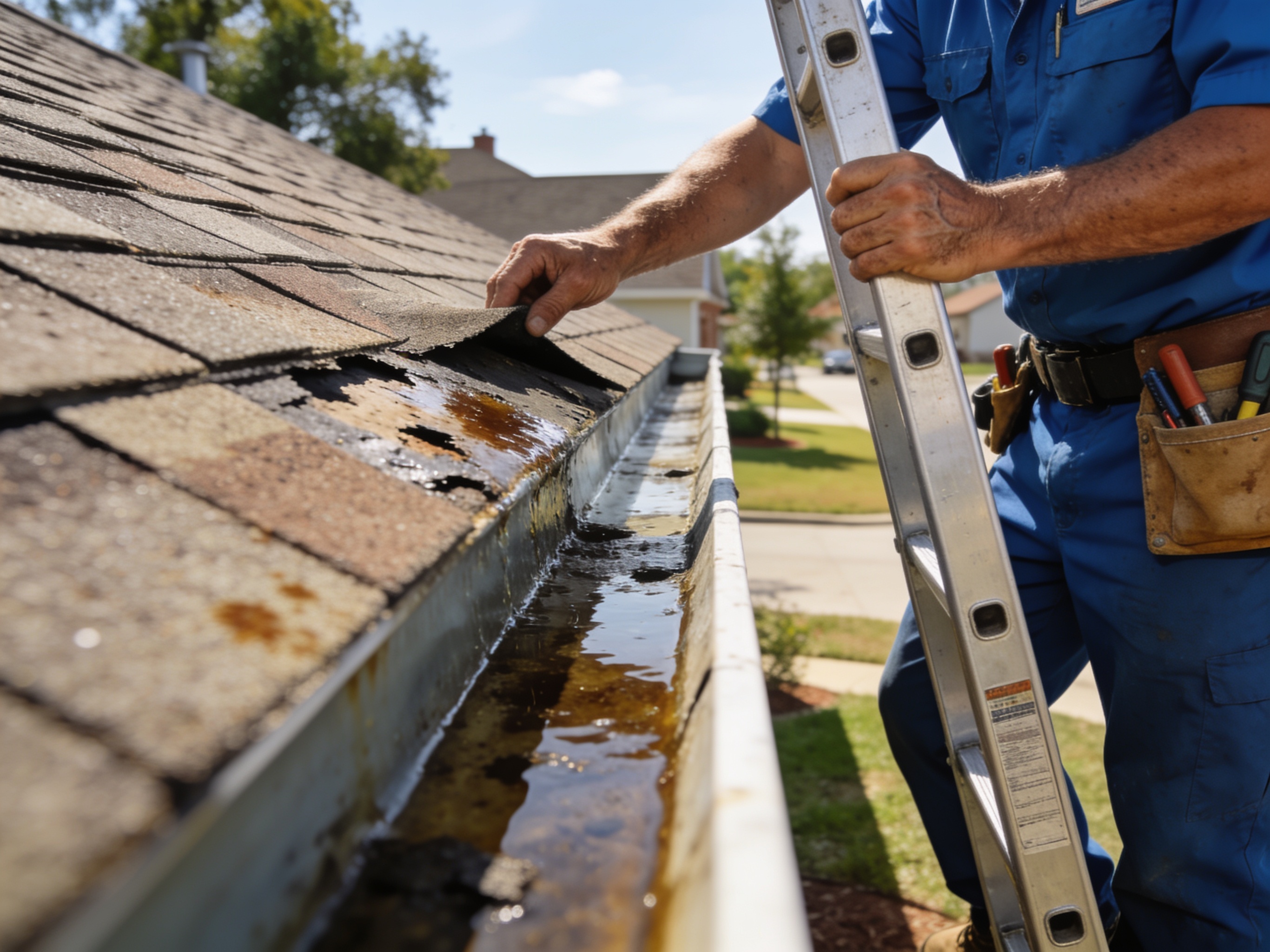
Roof valleys are critical areas where two roof slopes meet, forming a channel for water runoff. In Alvin, TX, with our humid subtropical climate and occasional heavy downpours, these valleys are particularly vulnerable to leaks. Improper installation, aged materials, or damage from debris can compromise the integrity of the valley flashing, leading to water intrusion. We often see issues stemming from the original construction of homes in established neighborhoods like Highland Park or Alvin's older sections, where roofing practices or materials might not have been designed for the long-term stress of Gulf Coast weather patterns. Addressing these leaks promptly is crucial to prevent more extensive damage to your attic, ceilings, and interior structures.
Effective roof valley leak repair goes beyond a simple patch. It requires a thorough understanding of roofing materials, proper flashing techniques, and the specific challenges posed by Alvin's environment. We frequently encounter valleys where the underlayment has deteriorated, or the metal flashing has corroded or become dislodged due to thermal expansion and contraction over time. For homes near areas like the Alvin Community College campus, where mature trees are common, accumulated leaves and branches can also trap moisture, accelerating material degradation. Our approach involves a detailed inspection to identify the root cause, whether it's an issue with the shingles, the flashing, or the underlying decking, ensuring a lasting repair that stands up to our local conditions.
When tackling valley leaks, we pay close attention to the specific type of valley construction. Open valleys, where metal flashing is exposed, require different considerations than closed valleys, where shingles cover the flashing. In many Alvin homes, especially those built in the 70s and 80s, we find older, less robust flashing materials that are simply past their service life. We prioritize using high-quality, corrosion-resistant materials like galvanized steel or copper, along with appropriate sealants, to create a watertight seal. Our goal is not just to stop the current leak but to reinforce the valley against future water intrusion, protecting your investment in your home against the unpredictable Texas weather.
Understanding the local building codes and best practices for roofing in the Alvin area is also paramount. While there aren't highly restrictive local codes specifically for valley repair, adhering to manufacturer specifications for materials and industry standards for installation is critical for durability. We ensure that our repairs meet or exceed these standards, providing peace of mind to homeowners throughout Brazoria County. Whether your home is in the newer developments off Highway 35 or an older property closer to downtown Alvin, our team is equipped with the knowledge and experience to handle any roof valley leak, ensuring your roof remains a robust shield against the elements.
Technician insight
In Alvin, the thing that catches most people out with roof valley leaks is often the sheer volume of water during our summer thunderstorms. Homeowners might see a small stain, but by the time they call, the underlying underlayment and decking can be severely compromised because those valleys are just channeling so much water. It's not just about patching the shingle; it's about ensuring the entire valley system can handle that Brazoria County downpour.
Resolving a Persistent Leak in an Alvin Ranch Home
A homeowner in an older ranch-style home near the Alvin Historical Museum was dealing with persistent water stains in their living room ceiling after every significant rain. Upon inspection, we found that the closed valley on the back side of the house had deteriorated underlayment and improperly cut shingles, allowing water to wick underneath. We carefully removed the compromised shingles and underlayment, installed new ice-and-water shield, and integrated new shingles using a proper woven valley technique, completely resolving the leak and protecting their home from future water damage.
Roof Valley Leaks Services We Offer
✓Metal Valley Flashing Repair
Repair or replacement of damaged metal flashing in roof valleys, crucial for diverting water effectively and preventing leaks, especially in open valley systems.
✓Shingle Valley Sealing & Reconstruction
Addressing leaks in closed or woven valleys by sealing compromised shingles and, if necessary, reconstructing the shingle layers for proper water shedding.
✓Underlayment & Decking Repair
Repairing or replacing saturated or damaged underlayment and roof decking beneath the valley, essential for structural integrity and preventing mold growth.
✓Debris Removal & Valley Cleaning
Thorough cleaning of roof valleys to remove leaves, branches, and other debris that can trap water and accelerate material degradation, a common issue in treed areas of Alvin.
✓Valley Leak Detection & Inspection
Comprehensive inspection services to accurately pinpoint the source of valley leaks, often involving interior attic inspection and exterior roof assessment.
✓Preventative Valley Maintenance
Proactive services including resealing, minor flashing adjustments, and debris management to extend the life of your roof valleys and prevent future leaks.
Roof Valley Leaks Cost in Texas
| Service | Typical Range | What Affects It |
|---|---|---|
| Minor Valley Flashing Reseal | $250–$600 | For small, localized leaks where existing flashing is sound but needs resealing or minor adjustment. |
| Partial Valley Flashing Replacement | $600–$1,500 | Involves replacing a section of damaged metal flashing and integrating new shingles; price depends on length and complexity. |
| Full Valley Reconstruction (Single Valley) | $1,500–$3,500+ | Complete removal and replacement of a single valley, including underlayment, flashing, and shingles; varies by roof pitch and material. |
| Valley Leak Detection Service | $150–$300 | Dedicated service to locate the source of a leak when not immediately obvious; fee often credited towards repair if we perform it. |
Ranges are typical for Texas and confirmed with an exact written quote before any work starts.
How it works
- 1
Initial Assessment & Leak Detection
We begin with a detailed inspection of your roof valleys and the affected interior areas to accurately pinpoint the source and extent of the leak. This often involves checking for water stains in the attic and visually inspecting the valley flashing and surrounding shingles for damage or improper installation.
- 2
Material & Condition Evaluation
Once the leak is located, we evaluate the condition of the existing valley materials, including flashing, underlayment, and shingles. We assess whether the materials are simply aged, improperly installed, or have sustained damage from weather or debris, which is common in Alvin after heavy rains.
- 3
Valley Preparation & Repair
The damaged sections of the valley are carefully removed. We then clean the area thoroughly, removing any debris or deteriorated materials. New high-quality underlayment and flashing (typically galvanized steel or copper, depending on the existing roof) are installed, ensuring proper overlap and sealing to create a watertight channel.
- 4
Shingle Integration & Sealing
New shingles are carefully integrated into the repaired valley, ensuring they are properly cut and sealed to prevent water intrusion. For closed valleys, this means weaving or cutting shingles correctly; for open valleys, it's about securing the new flashing and ensuring shingle overhang. We apply appropriate sealants for added protection.
- 5
Final Inspection & Cleanup
After the repair is complete, we conduct a final visual inspection to confirm the integrity of the valley and the surrounding roof area. We then thoroughly clean up all work-related debris from your roof and property, leaving your home tidy and your roof secure.
Pricing
Pricing for roof valley leak repair in Alvin, TX, varies based on the complexity of the leak, the type of valley, and the extent of material replacement needed. We provide upfront quotes after a detailed inspection.